How to Speak to Strangers Safely Online Without Fear

TalknMeet TeamBy TalknMeet Team
calendar-iconJanuary 17, 2026
calendar-icon25 min read
How to speak to strangers safely online using anonymous voice and text chat on TalknMeet

For many people, the idea of speaking to strangers online brings mixed emotions. There is curiosity, a desire for connection, and sometimes loneliness — but also hesitation and concern about safety. These feelings are completely normal, especially in a digital world shaped by noisy platforms and unsafe experiences.

This guide is designed to show how people can speak to strangers online safely and comfortably — without fear, pressure, or exposure. By understanding how modern platforms work, what safety truly means today, and how emotional comfort plays a role, talking to strangers can become a calm and positive experience instead of a risky one.

What Is Speaking to Strangers Online?

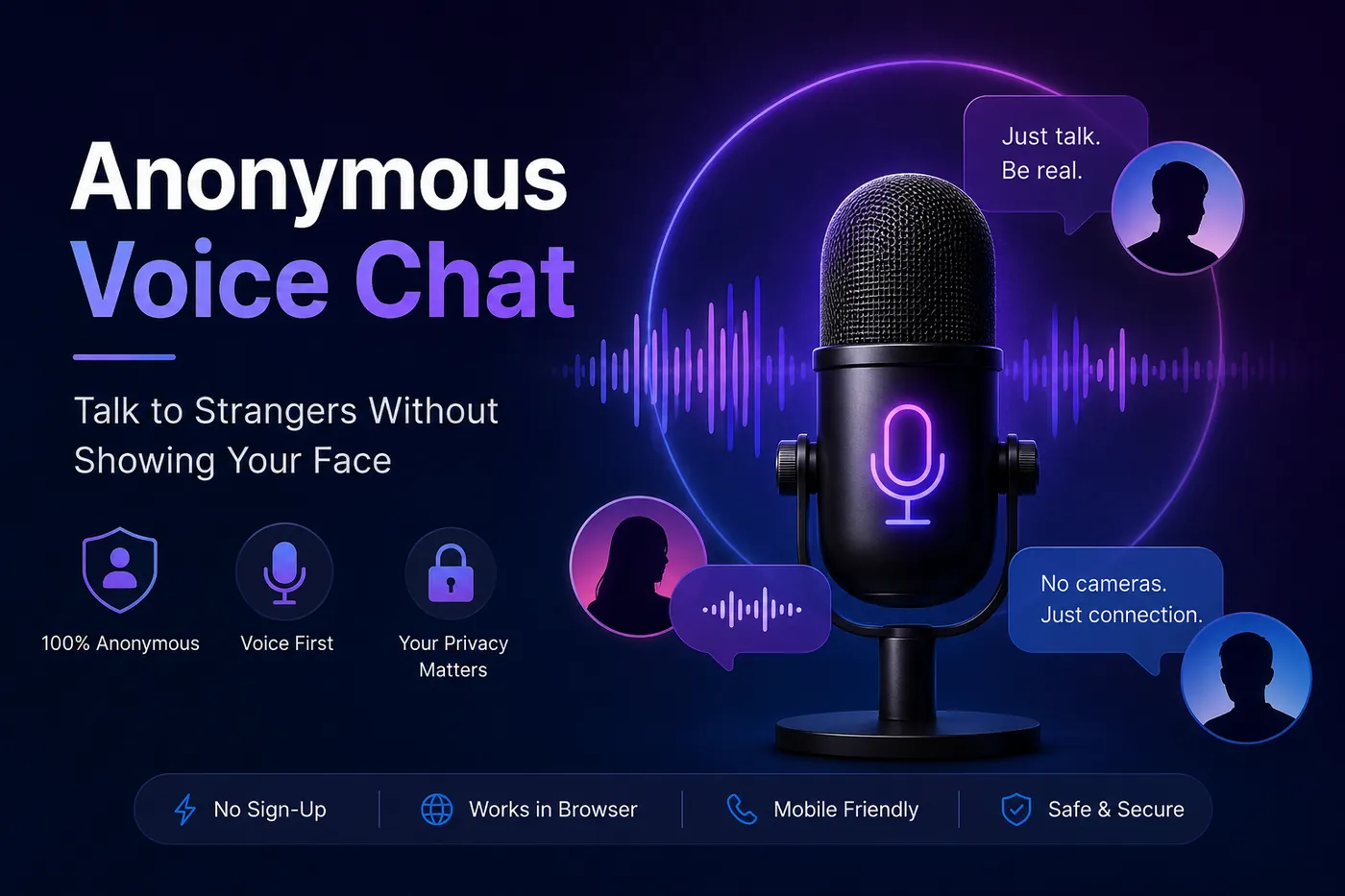
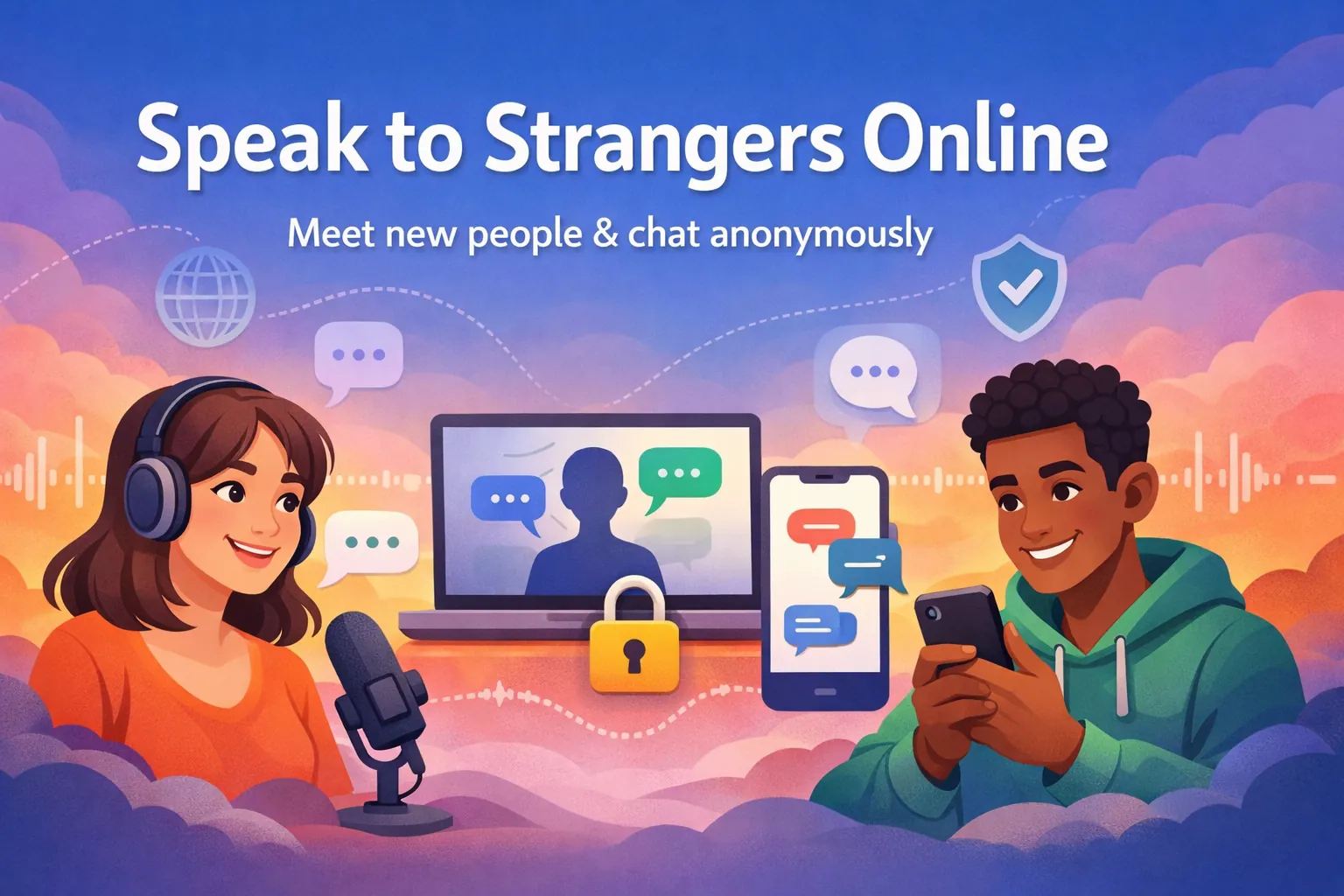
Speaking to strangers online means having conversations with people you do not know personally through digital platforms. These conversations can happen through voice chat, text chat, or a combination of both — often without sharing names, photos, or personal details.

For many people, speaking to strangers online is a way to connect beyond their immediate social circle. It can involve casual conversations, emotional sharing, late-night talks, or simply listening and being heard — without long-term expectations or social pressure.

Unlike traditional social media, where conversations are tied to profiles and public identity, modern platforms for speaking to strangers focus on privacy, anonymity, and one-to-one interactions. This allows people to communicate more freely and authentically.

Today, many people choose to speak to strangers online through platforms designed specifically for calm and respectful conversations. Services like TalknMeet focus on anonymous voice and text chat, one-to-one conversations, and emotional comfort — helping people connect without pressure or exposure.

Speaking to Strangers Online Has Changed

Speaking to strangers online is no longer about random chaos or unsafe encounters. Over time, people have become more aware of their boundaries, emotional needs, and personal comfort levels. As a result, the way people approach online conversations has evolved significantly.

Today, many users are not looking for viral moments or extreme interactions. They simply want to talk, listen, and feel human connection — without exposing their identity or feeling pressured. This shift has led to the rise of privacy-first platforms that focus on calm, one-to-one conversations instead of loud public rooms or forced video.

Understanding how to speak to strangers safely online starts with understanding this change. Safety is no longer about avoiding strangers — it is about choosing the right environment, tools, and boundaries that support healthy interaction.

Why People Want to Speak to Strangers Online

People speak to strangers online for many reasons, and most of them are deeply human. Curiosity, emotional release, loneliness, learning new perspectives, or simply wanting to feel heard — these motivations are natural and increasingly common in a digital world.

Unlike conversations with friends or family, talking to strangers offers freedom. There are no expectations, no shared history, and no pressure to perform or maintain an image. This makes it easier for many people to open up, reflect, or simply enjoy a conversation without judgment.

Because of this, platforms designed for talking to strangers online are increasingly focused on emotional comfort, anonymity, and control — not just matching users randomly.

Is It Safe to Speak to Strangers Online?

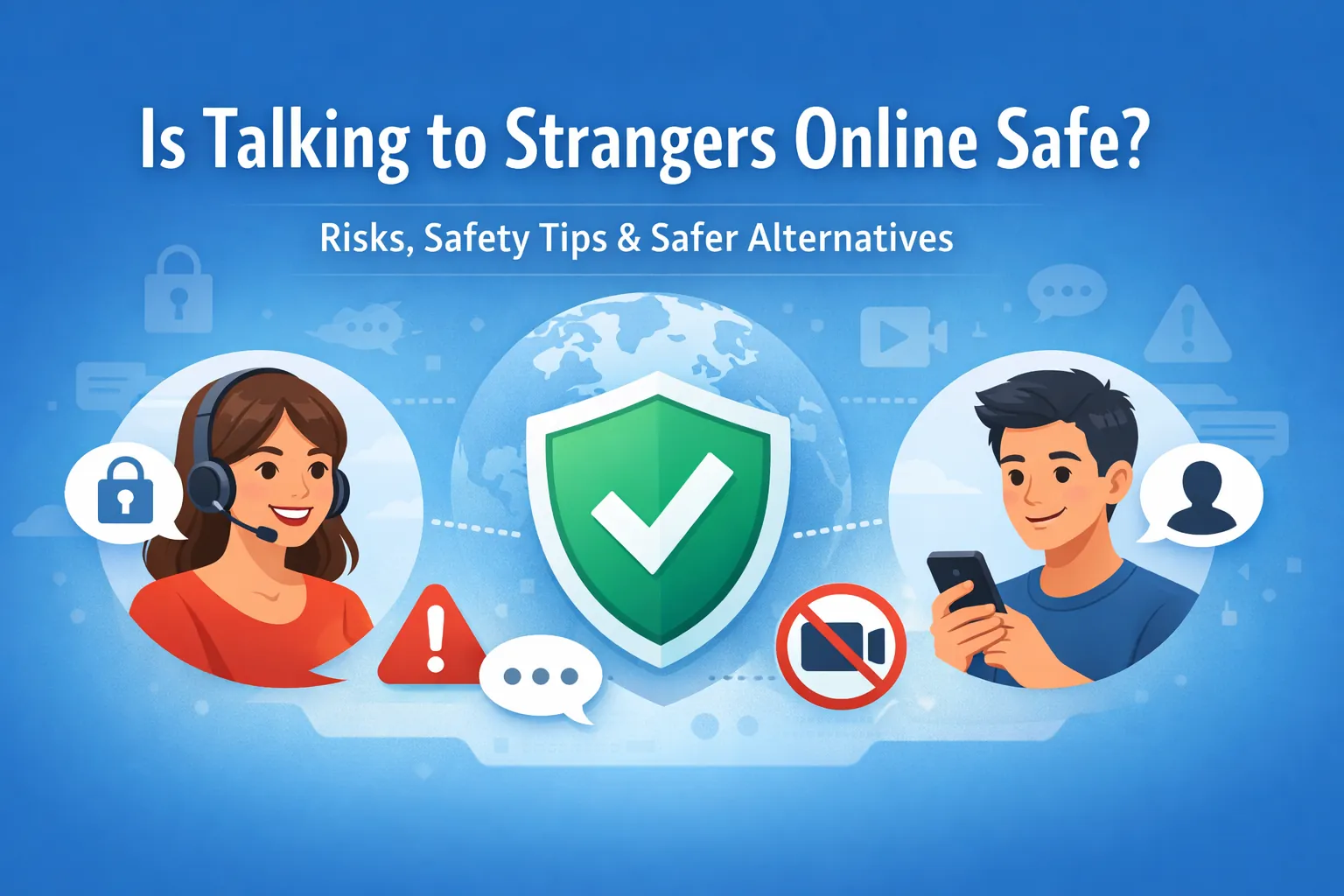
The question is not whether speaking to strangers online is safe or unsafe by default. The real question is where and how those conversations take place. Safety depends entirely on platform design, user control, and the absence of pressure or exposure.

Platforms that force video, require personal profiles, or encourage public interactions often create discomfort and risk. In contrast, privacy-first platforms that allow anonymous voice or text chat, one-to-one conversations, and instant exits dramatically reduce risk.

When people choose environments built for calm and consent, speaking to strangers online becomes far safer than many traditional social platforms.

What Safety Really Means in Online Conversations

Online safety is often misunderstood as strict rules or heavy moderation alone. In reality, true safety comes from design choices that give users control. This includes anonymity, the ability to leave instantly, and conversations that are temporary rather than permanent.

When people can choose how they communicate — whether through voice or text — and when they are not forced to reveal personal information, conversations naturally become safer. This is why modern platforms built for anonymous chat with strangers are seen as healthier alternatives to older, chaotic models.

Why Emotional Comfort Matters More Than Rules

People feel safe not just when rules exist, but when they feel emotionally comfortable. Emotional comfort comes from knowing you are not being judged, recorded, or pressured to continue a conversation that does not feel right.

This is why many users prefer voice or text chat over video when speaking to strangers. Removing visual exposure reduces anxiety and allows people to focus on conversation rather than appearance.

This is why many people feel more comfortable on platforms that let them choose how they communicate. The ability to switch between voice and text has been shown to play a major role in emotional safety, as explored in voice chat vs text chat with strangers.

Fear vs Awareness: A Healthier Way to Think About Safety

Fear-based thinking often discourages people from seeking connection, even when that connection could be healthy and supportive. Awareness, on the other hand, empowers people to make informed choices without avoiding human interaction altogether.

Speaking to strangers safely online is not about being afraid — it is about being aware of your boundaries, choosing the right platforms, and trusting yourself to leave conversations that do not feel right.

This balanced approach allows people to experience connection, curiosity, and comfort while staying protected. It is also why calm, privacy-first platforms are becoming the preferred way to speak to strangers online.

Practical Tips to Speak to Strangers Safely Online

Speaking to strangers online safely does not require fear or complicated rules. It simply means being aware of your boundaries and choosing environments that feel calm and respectful. Platforms that allow users to control conversations and exit freely tend to create far safer and more positive experiences.

The following principles help people feel safer and more comfortable when speaking to strangers online:

1. Choose One-to-One Conversations

Private one-to-one conversations are calmer and easier to manage than public chat rooms. They reduce noise, unwanted attention, and emotional overwhelm, making conversations feel more personal and controlled.

2. Avoid Platforms That Force Video

Forced video removes anonymity and adds visual pressure. Many people feel safer and more expressive when they can speak or type without being seen. This is why voice and text-first platforms are increasingly preferred.

3. Stay Anonymous by Default

Safe conversations do not require real names, profiles, or personal details. Anonymity allows people to speak freely without worrying about judgment or long-term consequences.

4. Trust Your Comfort Level

If a conversation feels uncomfortable, it is okay to leave. The safest platforms allow users to exit instantly without explanation or penalty. Comfort is the most reliable safety signal.

Is Voice or Text Chat Safer When Speaking to Strangers?

Many people assume that text chat is always safer than voice chat when speaking to strangers online. In reality, both formats can be safe — or unsafe — depending on how the platform is designed.

Voice chat becomes risky only when video is forced, identities are exposed, or users feel pressured to stay. When voice chat is anonymous, one-to-one, and optional, it often feels more human without being unsafe.

Text chat offers more control and slower pacing, which can feel safer for first-time users or emotionally sensitive moments. This is why platforms that support both voice and text allow people to choose what feels safest at any given time.

This balance is explored in depth in voice chat vs text chat with strangers, where emotional comfort and safety are compared side by side.

Why One-to-One Chats Feel Safer Than Public Chat Rooms

Public chat rooms often feel overwhelming because many conversations happen at once. This makes it harder to control who you interact with and easier for unwanted behavior to slip through. For people looking to speak to strangers safely online, this environment can feel chaotic rather than supportive.

One-to-one conversations remove this complexity. They allow two people to focus on a single interaction, making it easier to establish comfort, leave if needed, and avoid unnecessary attention.

This is why modern platforms designed for talking to strangers prioritize private conversations instead of public rooms.

Setting Boundaries While Speaking to Strangers

Safety online is closely tied to boundaries. Knowing what you are comfortable sharing — and what you are not — helps conversations stay respectful and calm. Good platforms support this by not asking for personal details and by allowing users to control how long conversations last.

Healthy boundaries include choosing when to speak or type, deciding how much emotional depth you want, and ending conversations without guilt. These boundaries protect emotional well-being as much as they protect privacy.

This approach aligns with how people prefer to chat anonymously with strangers — calmly, intentionally, and without pressure.

How Platform Design Impacts Safety and Comfort

The safest way to speak to strangers online is not by memorizing rules, but by choosing platforms designed with user comfort in mind. Platform design determines whether conversations feel supportive or stressful.

Design elements such as anonymity, optional voice or text chat, one-to-one conversations, and easy exits create an environment where people feel empowered instead of exposed.

This design philosophy is what separates modern platforms from older, video-heavy models often associated with unsafe experiences. It also explains why many users now prefer Omegle alternatives that focus on privacy and control.

How TalknMeet Helps People Speak to Strangers Safely Online

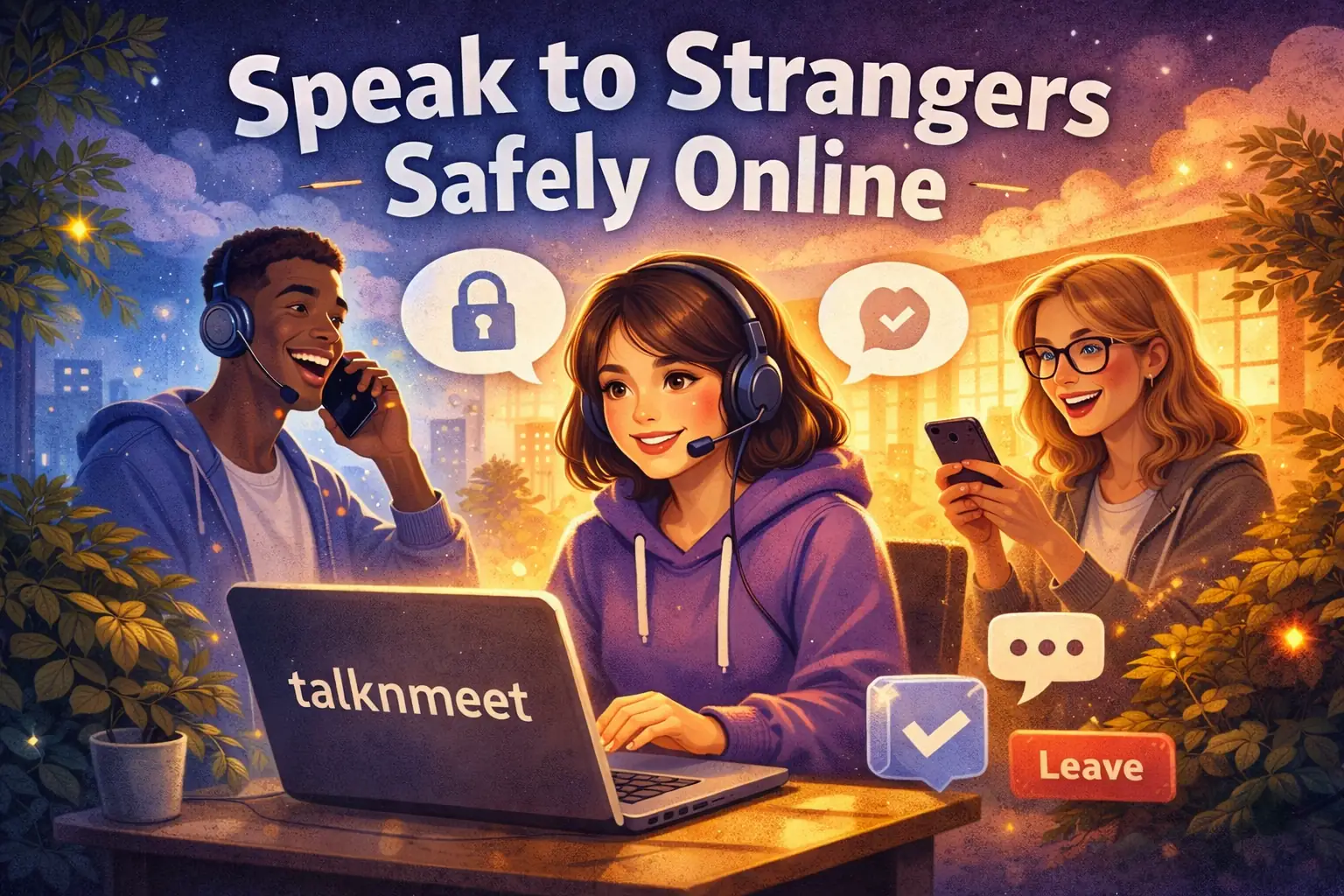
TalknMeet is built around a simple idea: people should be able to speak to strangers online without fear, pressure, or exposure. Instead of forcing users into a single interaction style, the platform gives full control over how conversations happen.

By supporting anonymous voice and text chat, TalknMeet allows users to choose what feels safest in the moment. This flexibility reduces anxiety and makes conversations feel intentional rather than overwhelming.

TalknMeet is designed to support safe conversations by offering:

  • Anonymous one-to-one conversations
  • No forced video or visual exposure
  • No accounts, profiles, or personal data collection
  • Instant exit from any conversation
  • This approach aligns closely with what users are searching for when they look for ways to speak to strangers safely online — privacy, comfort, and control.

    For people who want a simple and calm way to talk to strangers without fear or pressure, TalknMeet acts as a practical example of how thoughtful platform design can make online conversations feel safer and more human.

    Emotional Comfort Matters as Much as Privacy

    Safety is not only about protecting personal information. Emotional safety plays an equally important role when speaking to strangers online. Feeling rushed, judged, or exposed can make even technically secure platforms feel unsafe.

    Calm environments, optional communication styles, and respectful pacing help people feel emotionally supported. This is especially important for users who are shy, introverted, anxious, or simply looking for genuine conversation without pressure.

    This emotional-first approach explains why many users prefer platforms designed specifically for

    talking to strangers online in a calm and private way rather than loud, public, or video-heavy spaces.

    Why Safety Expectations Have Changed

    Older platforms often treated safety as an afterthought. Random matching, public exposure, and forced video were once seen as exciting features, but many users now recognize how uncomfortable those experiences can feel.

    As a result, expectations have shifted. People now want platforms that feel intentional, respectful, and emotionally safe. This shift has driven the rise of modern Omegle alternatives that prioritize privacy and control over shock value.

    The Future of Speaking to Strangers Online

    The future of speaking to strangers online is not about faster matching or more exposure. It is about creating spaces where people feel comfortable being themselves — without fear of judgment or unwanted attention.

    Voice and text chat will continue to coexist, giving users the freedom to choose how deeply they want to connect. Platforms that respect boundaries, protect anonymity, and focus on emotional well-being will shape the next generation of online conversations.

    This is why platforms aligned with talking to strangers in a safe, intentional way are gaining long-term trust and relevance.

    Frequently Asked Questions About Speaking to Strangers Safely Online

    Yes, speaking to strangers online can be safe when conversations happen on privacy-first platforms that support anonymity, one-to-one chats, and instant exit options. Safety depends more on platform design than on talking to strangers itself.

    The safest way is to choose platforms built specifically for talking to strangers anonymously, avoid sharing personal details, and use environments that feel calm, private, and controlled rather than public or video-heavy.

    Voice chat is often safer than video chat because it removes visual exposure while still allowing real human connection. When voice chat is anonymous and optional, it offers comfort without the pressure that video can create.

    Text chat can feel safer for first-time users because it offers slower pacing and more control. However, both voice and text can be safe when platforms are designed thoughtfully. This difference is explained in voice chat vs text chat with strangers.

    Yes. Many introverts prefer speaking to strangers online through text chat or anonymous voice chat because it offers emotional control, low pressure, and the freedom to leave conversations easily.

    Older Omegle-style platforms often lacked strong safety design and moderation. This is why many users now choose modern Omegle alternatives that focus on privacy, anonymity, and emotional comfort.

    Avoid public chat rooms, trust your comfort level, and choose platforms that allow instant exits. Leaving a conversation early is always okay and is a key part of staying safe.

    No. Safe platforms do not require real names, photos, or personal details. This is why many users prefer anonymous chat with strangers, where conversations stay temporary and private.

    Speaking to strangers online removes social expectations and judgment. Without shared history or identity pressure, many people find it easier to express thoughts, emotions, and curiosity freely.

    The best platform is one that prioritizes anonymity, emotional comfort, and user control. Platforms like TalknMeet are built specifically to support safe, one-to-one voice and text conversations without forcing video or personal profiles.

    Speak to Strangers Safely — On Your Terms

    If you want to speak to strangers online without fear, pressure, or exposure, TalknMeet offers a calm and privacy-first way to connect through anonymous voice and text chat — designed for real, one-to-one conversations.

    talk to strangers footer

    © 2023-2026 talknmeet.com - All Rights Reserved